Area · D10
Product Development & Engineering
The idea is rarely the problem. Series production is.
Developing physical and technical products: strategy, concept, design, engineering, prototypes, testing, industrialisation and documentation.
Usual
What you often get
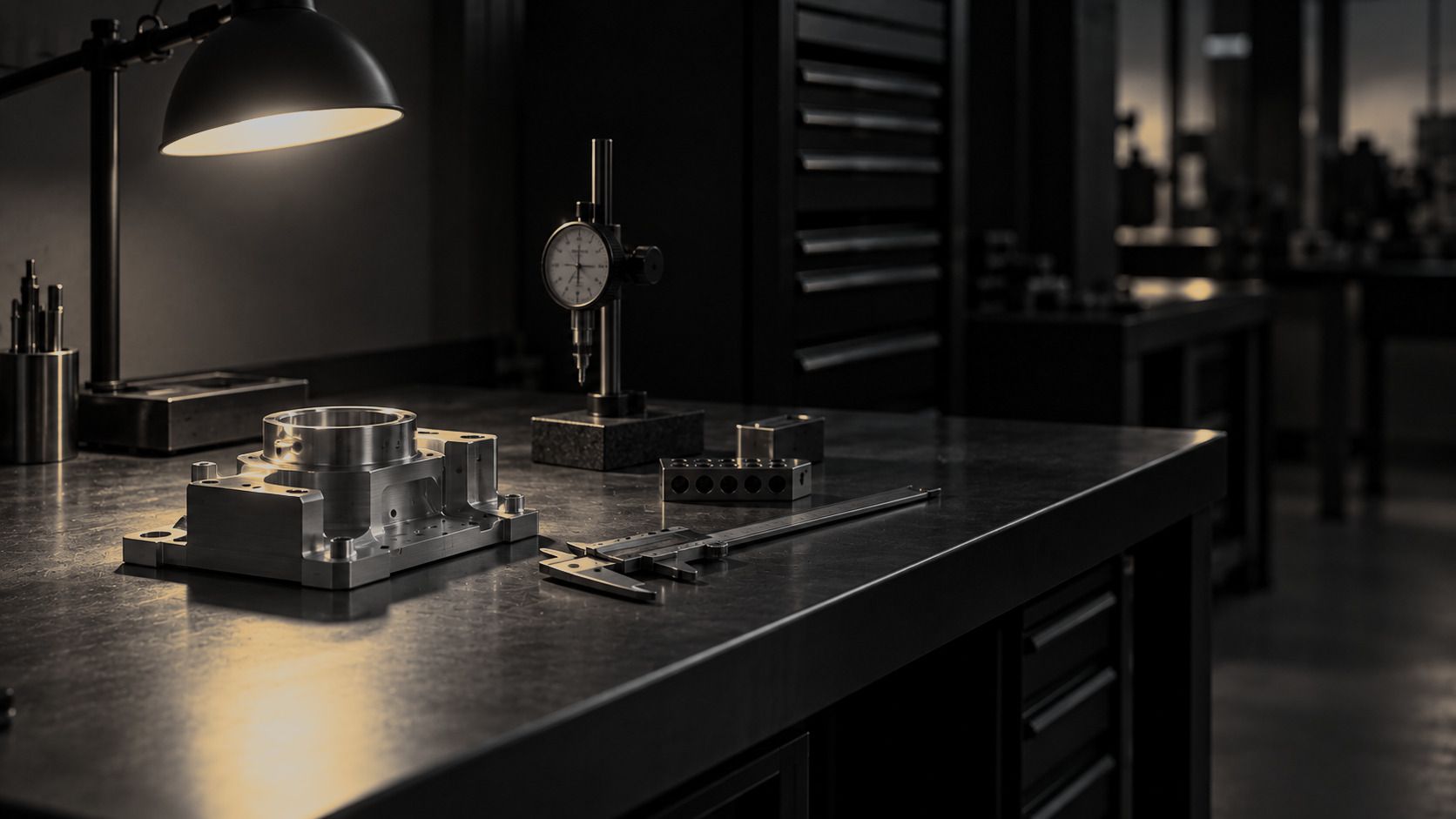
First it gets designed, then engineered, finally tested, each time by a different firm. Every firm delivers its files, none is responsible for the product. Only at the manufacturer does it turn out that the part can't be made that way.
IntoOps
What you get from us
We check manufacturability from the start, together with procurement & supply chain. Requirements, design and engineering stay with one team until production is running. Prototypes, lab tests and production are handled by partners in our network, selected and managed by us.
Services
9 services. Each one available on its own.
-
4 components
Product Strategy & Requirements
Setting product vision, roadmap and portfolio and specifying requirements for physical products.
-
5 components
Product Concept & Feasibility
Developing and evaluating product concepts and checking technical feasibility, costs and IP situation.
-
4 components
Industrial & Product Design
Designing form, ergonomics, colours, materials and finishes of physical products.
-
5 components
Engineering Design
Mechanical design, electronics, embedded software, simulation and component selection.
-
3 components
Prototyping
Building prototypes and pre-series with partner workshops and manufacturers.
-
5 components
Testing & Validation
Planning and running product tests, field tests and conformity work for market approval.
-
5 components
Industrialisation & Manufacturing Transfer
Making products ready for series production and transferring them to manufacturers and suppliers.
-
4 components
Technical Documentation
Operating instructions, risk assessments, technical files and service documentation.
-
4 components
Product Improvement & Lifecycle Management
Improving products in the market, reducing costs, managing changes and handling obsolete components.
Also relevant to Product Development & Engineering
These services belong to other areas but are often needed for Product Development & Engineering.
- D01 Market Research
- D01 Business Opportunity Development
- D03 Branding & Design
- D04 Business Model Development
- D04 Project & Programme Management
- D05 Quality Management
- D05 Production Planning & Coordination
- D06 Supplier Sourcing
- D06 Supplier Management
- D07 After-Sales Service
- D09 Software Development
- D09 UX/UI Design
- D11 Grants & Public Funding
Typical initiatives
Product Development & Engineering is rarely the point. Your initiative is.
Product Development & Engineering plays a part in each of these initiatives. Each page shows which other disciplines join in.
Rarely alone. Never bundled.
Product Development & Engineering often works hand in hand with these areas. The interfaces are our job; you still only buy what you need.
Good questions. Straight answers.
Do we have to hand over all of our development?
No. You can hand over just what's missing in-house, such as electronics, testing or documentation. Or everything, from requirements to the start of production.
Your team keeps responsibility for the product. We deliver at agreed milestones and work in your systems.
Do you have your own workshops or test labs?
No. Prototypes, pre-series and lab tests are handled by workshops, manufacturers and test labs in our network. We select them, appoint them and manage schedules, quality and costs.
Certificates are issued by notified or accredited bodies. We prepare the evidence and coordinate.
Will you take over a half-finished project?
Yes. We review the state of the concept, data and documents and tell you openly what holds up.
Then we carry on from there instead of starting over. If there's no proper requirements specification, we add one through product strategy & requirements.
Do you also develop pure software products?
Yes, but not in this area. Apps, platforms and cloud services are built by IT & Digital.
This area covers the software that runs on your product's electronics. For connected products, the two coordinate from the start.
Is there a fixed price for product development?
No. How many iterations a product needs only becomes clear along the way. The effort also depends on its maturity and on how much partners take on.
After the free Initiative Check, you get a written assessment. You see the costs of samples and tests before anything is ordered.
Proof first. Contract second.
In the free Initiative Check, we listen for 45 minutes and ask the questions that usually only come up after the contract is signed. Then you get a short written assessment: what we see, how we would go about it and roughly what it would take.
No obligation. And if we're not the right fit, we'll tell you.
Or write to us at hello@intoops.com.